
 Image 1 of 3
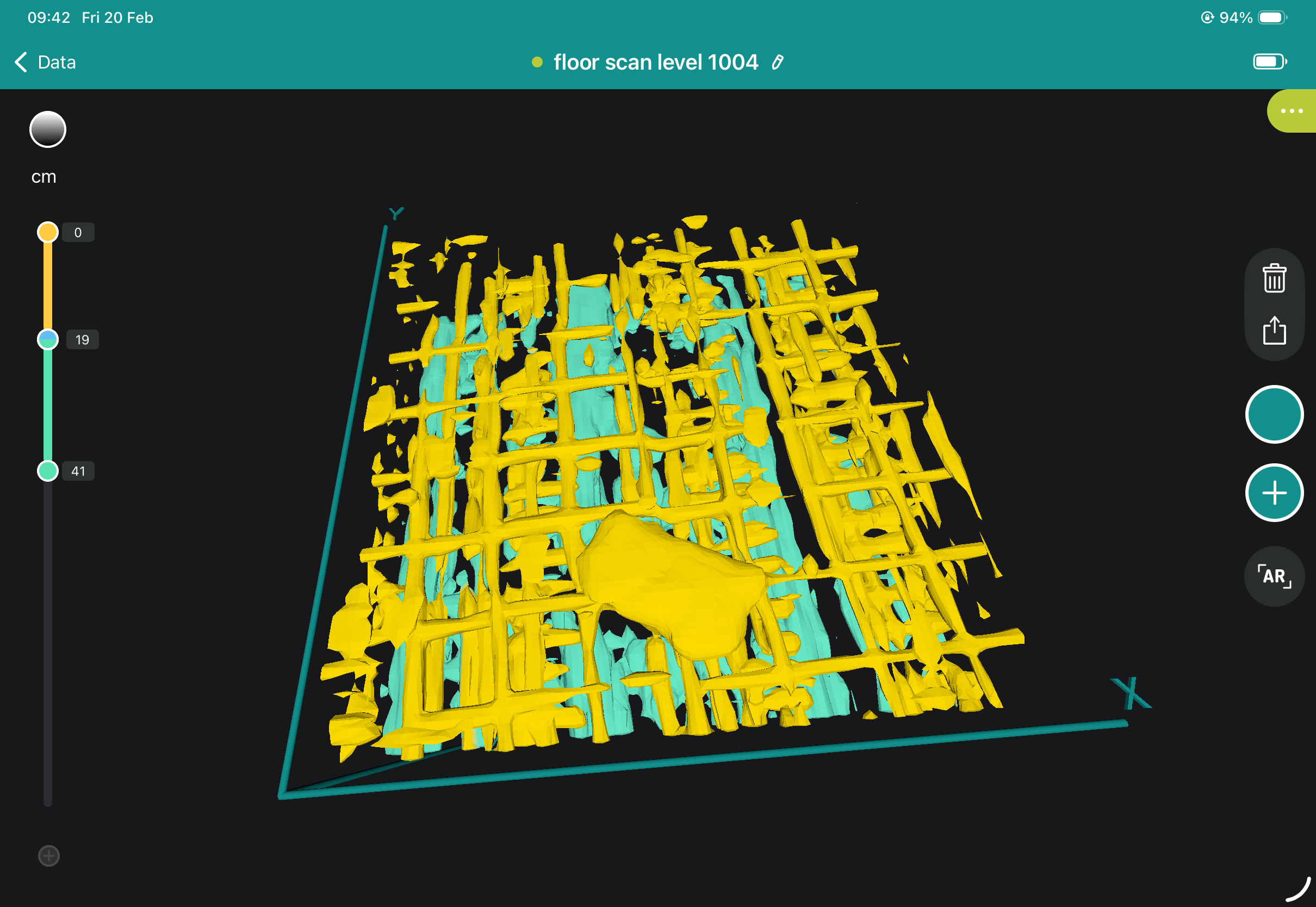 Image 2 of 3
 Image 3 of 3
Concrete Scanning & Reinforcement Detection
Specialist Concrete Scanning Services Across London, the South East and the UK
Locate critical embedded elements before drilling, cutting, coring or demolition works begin
ACUO SI Ltd provides professional concrete scanning and reinforcement detection services using advanced Ground Penetrating Radar (GPR) technology to identify embedded structural elements within reinforced concrete. Our surveys are designed to give contractors, engineers and project teams the information they need to work safely and confidently when carrying out intrusive works on existing structures.
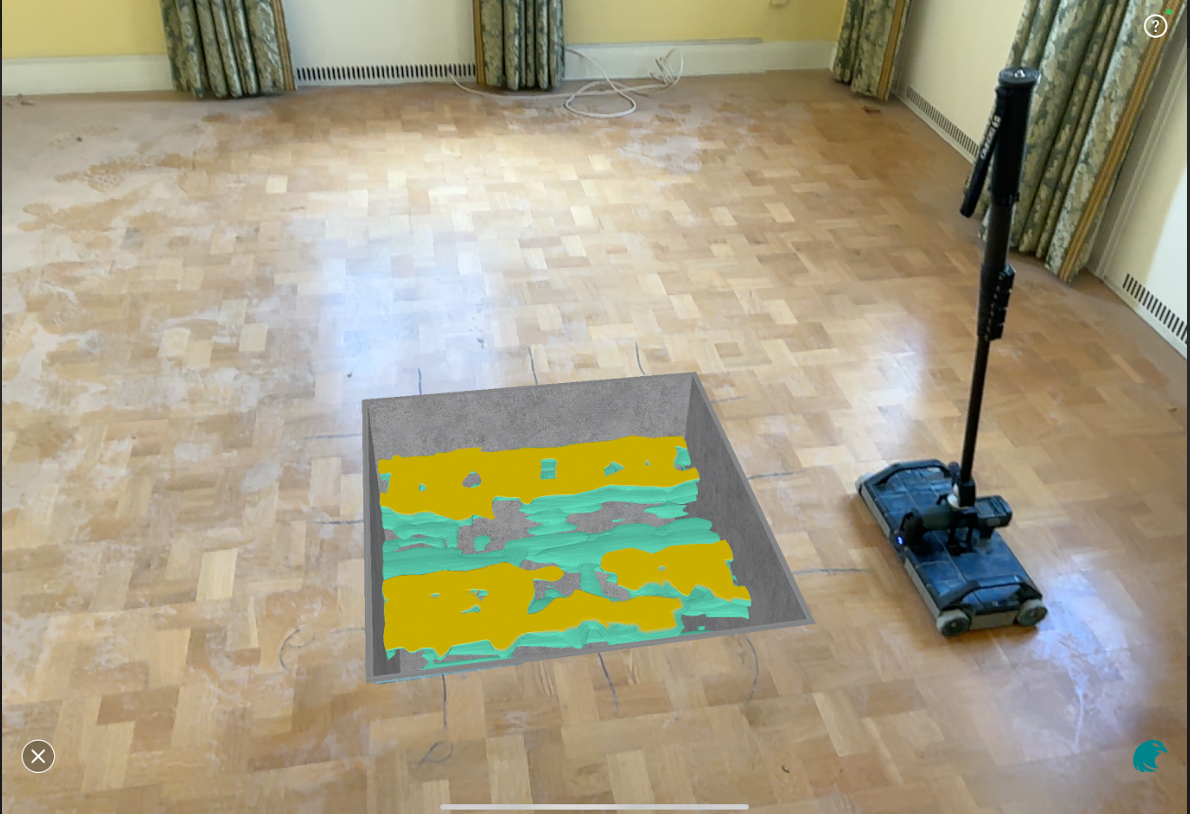
Before any cutting, coring, drilling or demolition takes place, it is essential to understand what lies beneath the concrete surface. Hidden reinforcement, post-tensioning tendons, ducts, conduits and other embedded services can present a major risk if struck during works. Our scanning services help reduce that risk by locating and mapping these elements accurately, allowing safer working areas to be identified and planned in advance.
Key Features
High-resolution GPR concrete scanning
Detection of reinforcement bars, post-tension cables, ducts and embedded elements
Scanning of slabs, beams, columns, walls and foundations
Pre-cutting, coring, drilling and demolition support
Reinforcement mapping and cover depth interpretation
Identification of safer working zones before intrusive works
On-site mark-outs to assist site teams during live works
Detailed engineer-ready reports to support technical review and decision-making
Suitable for refurbishment, alteration, investigation and verification projects
Available across commercial, residential, industrial and infrastructure sectors
What Our Concrete Scanning Services Provide
Using advanced GPR systems, ACUO SI Ltd can detect and interpret a wide range of embedded features within reinforced concrete structures. This includes the location of rebar, post-tensioning tendons, ducts, conduits, service runs and other embedded anomalies that may affect planned works. Scanning can be carried out across a wide variety of structural elements, including floor slabs, suspended slabs, bridge decks, retaining walls, beams, columns, concrete walls and foundation structures.
Our surveys are often used in situations where precise structural intelligence is needed before intrusive works commence. This may include planned core drilling, slab penetrations, saw cutting, anchor installation, structural alterations, demolition activities or investigations into existing construction. By understanding the internal arrangement of the structure before works begin, contractors can avoid damaging critical reinforcement or services, reduce delays and minimise costly rework.
Why Concrete Scanning is Critical
Concrete scanning plays a vital role in risk reduction on construction and refurbishment projects. Striking embedded reinforcement, post-tension cables or concealed services can result in structural damage, programme delays, additional cost and serious safety implications. Our scanning services help prevent these issues by providing clear, actionable information before any intrusive activity takes place.
For engineers, the data can support structural understanding and verification. For contractors, it provides greater confidence when setting out drilling, cutting and coring locations. For clients and asset owners, it helps protect valuable infrastructure and supports safer project delivery.
Reporting and Site Support
All concrete scanning works can be supported by clear on-site mark-outs, allowing live work areas to be physically set out based on scan findings. Where required, we also provide detailed technical reports summarising methodology, scan coverage, interpreted findings and any relevant limitations. This ensures outputs are both practical on site and robust enough for engineering review, coordination and record purposes.
ACUO SI Ltd combines advanced scanning technology with practical site understanding to deliver accurate, reliable and buildable information that supports safe working and informed decision-making across a wide range of concrete structures.